



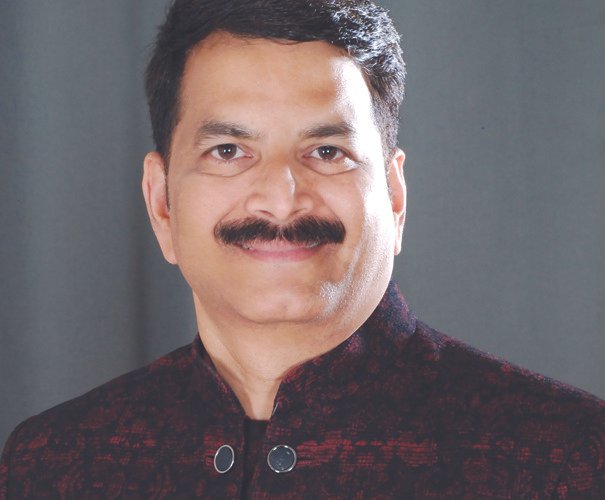
Mahesh Pai explains why wealth passed down can sometimes divide more than it delivers
Most people view inheritance as a blessing. After all, what could be better than receiving a valuable asset from a parent or grandparent? An ancestral home, a piece of land, a family business, or accumulated savings are often seen as symbols of love, sacrifice, and legacy.
Yet, in my experience as a financial consultant, inheritance is not always the gift that families imagine it to be. Some of the most emotionally charged financial situations arise not from a lack of wealth, but from the transfer of wealth itself. The uncomfortable truth is that inheritance can sometimes create more problems than it solves. The issue is rarely the asset; it is what happens when multiple people inherit the same asset, each bringing different expectations, financial circumstances, and emotional attachments to the table.
The ssset that nobody wants to sell
Consider a common situation. Parents leave behind a family home that has been in the family for decades. The property carries memories of childhood, family celebrations, and generations of history. After the parents pass away, the property belongs equally to three children. One sibling wants to keep it for sentimental reasons, another wants to sell it and use the proceeds for retirement and the third lives abroad and has little interest in managing the property but does not want to surrender ownership. All three positions are understandable, all three are legitimate yet they are fundamentally incompatible.
What was once a symbol of family unity suddenly becomes a source of tension.
The problem is not inheritance, the problem is that inheritance planning never happened.
The difference between wealth and usability
Many inherited assets look impressive on paper. A property worth several crores appears to represent financial security. However, an asset only creates value when it can be used effectively. An inherited property may generate no rental income. It may require ongoing maintenance like taxes, repairs, legal expenses, and upkeep continue regardless of whether the property produces cash flow. The heirs may own substantial wealth but have limited access to actual income.
Goa’s unique inheritance challenge
In Goa, inheritance often carries complexities that extend beyond simple ownership. Many family properties have passed through multiple generations, resulting in fragmented ownership records and multiple family members having legal or perceived claims over the same asset. Some heirs continue to live in Goa, while others have settled elsewhere in India or overseas. Adding to this complexity is the deep emotional significance of ancestral property, as a family home often represents identity, heritage, and a sense of belonging. As a result, decisions regarding such assets are rarely based solely on financial logic. Properties that may be better redeveloped, rented, sold, or reorganised often remain untouched because family members cannot reach a consensus. As the years pass, valuable opportunities are lost, relationships can become strained, and while the asset remains intact, the wealth it represents often remains trapped.
Equal is not always fair
One of the biggest misconceptions in inheritance planning is the belief that equal distribution automatically creates fairness. In reality, fairness and equality are not always the same thing. Consider a family with three children: one has spent years caring for ageing parents, another is financially successful and independent, while the third struggles financially and may depend heavily on future inheritance. In such a situation, dividing assets equally may satisfy legal expectations, but it may not address the emotional realities or individual circumstances of each child. This is where many families encounter difficulties. Parents often avoid discussing inheritance because they fear conflict, yet ironically, avoiding these conversations frequently creates the very disagreements and misunderstandings they hoped to prevent.
The cost of silence
Many families openly discuss weddings, education, careers, and healthcare, yet conversations about inheritance and succession planning are often postponed or avoided altogether. Parents frequently assume that their children will eventually find a way to resolve matters among themselves, while children assume that their parents have already put a clear plan in place. The reality is that assumptions rarely replace meaningful communication. In the absence of clarity, uncertainty takes hold, and uncertainty often becomes fertile ground for misunderstandings and disputes. The emotional consequences can be far greater than the financial ones, with lifelong relationships strained over issues that could have been addressed through timely discussions and proper planning. Ultimately, the most valuable inheritance parents can leave behind is not merely wealth, but clarity, guidance, and peace of mind for the generations that follow.
Planning is an act of care
Many people view wills and succession planning as legal exercises, documents to be prepared and filed away for a future date. In reality, they are far more than that. Thoughtful succession planning is an act of care that extends beyond the distribution of assets. A well-structured plan reduces uncertainty, provides guidance during emotionally difficult times, and helps protect family relationships from misunderstandings and disputes. Most importantly, it ensures that wealth continues to serve the family’s interests and values rather than becoming a source of conflict and division..
The legacy beyond wealth
One of the most important gifts parents can leave behind is not just wealth, but clarity. A well-drafted Will is often the difference between a smooth transfer of assets and years of uncertainty, disputes, and legal battles. Too many families spend decades fighting in courts over a property that took a lifetime to build. An asset created through thirty years of hard work should not become the reason children spend the next thirty years in conflict. Estate planning is not merely about distributing wealth; it is about preserving relationships and ensuring that your wishes, are respected. The true legacy of a lifetime’s effort is not just the assets you leave behind, but the peace, certainty, and family harmony you leave while you are still alive
The writer is an investment consultant and business coach. Email: mahesh@maheshpai.in