



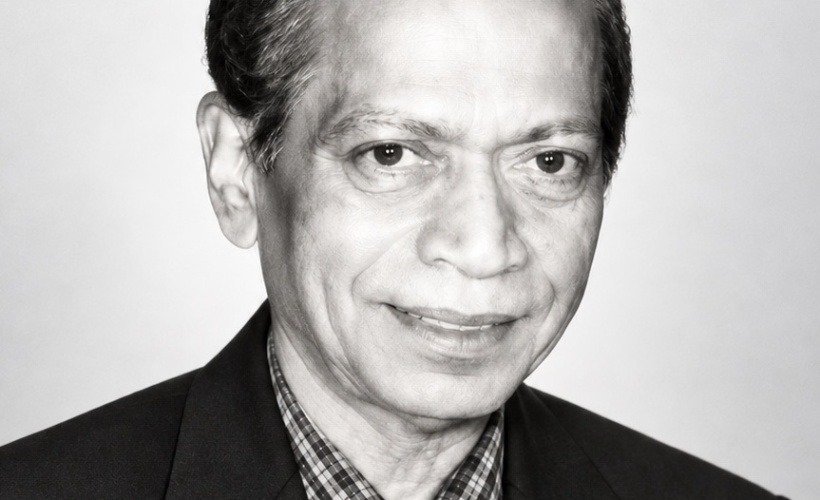
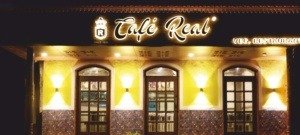
From a modest Panaji café to a diversified enterprise spanning beverages, hospitality, distribution and manufacturing, the Real Group’s eight-decade journey reflects the vision and enterprise of its founder, Gajanan Ganu Shirodkar.
Few Goan business names have remained as familiar across generations as Real. What began as a small establishment in Panaji in 1946 gradually grew into a diversified family enterprise with interests across consumer products, beverages, hospitality, trading, manufacturing, liquor, real estate and allied sectors.
As the Real Group completes 80 years, its journey offers a compelling account of indigenous Goan entrepreneurship; built through personal relationships, market instinct, product innovation and a deep connection with the community.
A dream that began in Shiroda
The story of Real is closely linked with its founder, Gajanan Ganu Shirodkar, fondly remembered as “Baba.”
Hailing from Shiroda, Gajanan moved to Panaji with his brothers at a time when Goa offered relatively limited opportunities for local enterprise. He arrived with the ambition of establishing businesses and factories that would generate employment for Goans.
Without the advantage of an inherited industrial establishment, he had to build his commercial foundations from the ground up. His entrepreneurial journey began with Café Real, established in Panaji around 1946.
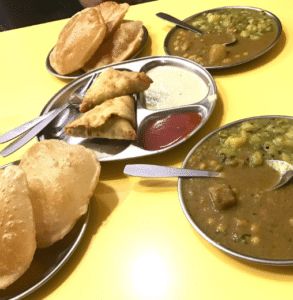
The café soon developed an identity extending far beyond food. Its affordable meals, traditional Goan snacks and welcoming atmosphere attracted customers from every section of society. Lawyers, politicians, journalists, artists, businesspersons, government employees and residents gathered there, turning Café Real into one of Panaji’s enduring social institutions.
It was from this modest but influential beginning that the Real name took root.
Creating a common brand identity
The name “Real” was reportedly conceived by Gajanan himself. As the family expanded into different activities, the word became the common thread connecting its growing portfolio.
This was a farsighted branding decision. At a time when many local businesses operated as unrelated ventures, Gajanan created a recognisable identity that could be carried across products and sectors.
Café Real was followed by Agencia Real, which marked the family’s expansion into trading and distribution. The business dealt in a wide range of consumer goods, including beverages, watches, cosmetics, garments and leather products.
This ability to identify opportunities across categories would become one of the defining characteristics of the group.
Building a beverage business
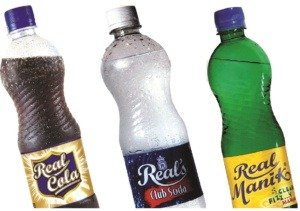
A major turning point came with the group’s entry into beverage manufacturing. Real Drinks Private Limited began producing Real Soda in 1972.
Over the years, the company widened its range to include cola, lemon and orange drinks, tonic water, packaged drinking water and other beverage products. Among its better-known brands was Real Manik, named in memory of Gajanan’s mother, Manik Ganu Shirodkar, affectionately called “Baa” by the family.
The product represented the group’s distinctive combination of commerce, family sentiment and local identity.
Real also ventured into Goa’s liquor industry. The business commenced the manufacture of palm and cashew feni during the 1970s and subsequently entered the Indian-made foreign liquor segment with whisky, brandy, rum and wine.
Its wines, including the popularly remembered sparkling wine that many Goans informally called “Real Champagne,” acquired a following of their own before production was eventually discontinued.
The Kingfisher association
Another important chapter in the group’s development was its long-standing relationship with United Breweries.
Real became a distributor of Kingfisher beer in Goa after Liberation and maintained the association for more than five decades. The arrangement helped the group build a strong distribution network and deepen its understanding of Goa’s consumer market.
This combination of manufacturing, distribution and retail reach gave Real a wider commercial base than that of a conventional food or beverage company.
The enterprise was not limited to producing goods. It developed the ability to move products efficiently across the state, build relationships with retailers and understand changing patterns of consumer demand.
An entrepreneur close to his customers
Despite the group’s expansion, Gajanan remained closely connected with its original establishment. He was known to sit at the counter of Café Real, interact with customers and listen to their views.
His marketing ideas could also be inventive and unconventional. One fondly recalled example involved placing watches sold by the business inside an aquarium filled with water and live fish to demonstrate that they were water-resistant.
The display reflected his intuitive understanding of promotion: customers often needed to see a product’s promise demonstrated before they would believe it.
More importantly, Gajanan regarded goodwill as an essential business asset. The group’s philosophy developed around building trust, reputation and relationships rather than viewing profit as the sole measure of success.
Continuity through difficult times
The family business faced a serious personal and organisational setback following the premature death of Gajanan’s eldest son, Dilip G. Shirodkar.
Dilip had played a significant role in expanding the enterprise established by his father. His loss created both an emotional void and a challenge of leadership continuity.
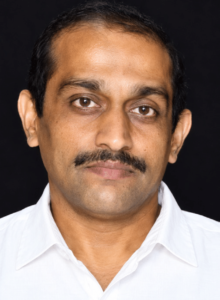
The family nevertheless carried the business forward. Today Gajanan Shirkdkar’s sons have assumed prominent roles in the management of the group. The involvement of successive generations enabled Real to retain its character as a closely held Goan family enterprise while continuing to diversify.
A diversified Goan enterprise
Over eight decades, the Real Group developed interests in hospitality, beverages, manufacturing, wholesale and retail trade, liquor, real estate, horticulture, dairy products and other goods and services.
Businesses and brands associated with the group have included Café Real, Agencia Real, Real Drinks, Real Food Exporters and Real House-related enterprises.
Its evolution reflects a classic entrepreneurial progression: beginning with a customer-facing establishment, building a trusted name, entering distribution, developing proprietary products and expanding into manufacturing and allied activities.
The result was not one large monolithic corporation but a network of family-managed ventures connected by a common brand and business philosophy.
Beyond business
Real’s identity in Goa was also shaped by its engagement with public and cultural life.
Over the years, the group supported festivals, sporting events, school and college programmes, cultural activities and community initiatives. Its association with celebrations such as Carnaval, Bonderam and Holi helped make Real a visible part of Goa’s social landscape. The group has also been credited with supporting the revival of Goa’s Carnaval celebrations after Liberation, including sponsorship linked to the King Momo float.
Such participation allowed the brand to connect with Goans beyond the conventional relationship between a company and its customers.
Café Real: The enduring landmark
For all the group’s achievements in manufacturing and distribution, Café Real remains its most recognisable public face.
The café continues to evoke the character of an older Panaji − informal, accessible and conversational. Generations of customers have visited it for traditional snacks and refreshments, but equally for the atmosphere and sense of familiarity.
It is at once a functioning business, a meeting place and a reminder of the enterprise from which the wider Real Group emerged.
Eight decades of enterprise
Gajanan Ganu Shirodkar’s lasting contribution was not merely the creation of an individual product or company. He demonstrated that a locally rooted Goan enterprise could build its own brand, diversify across industries, generate employment and endure across generations.
From Café Real to consumer goods, beverages, liquor, distribution and hospitality, the group’s journey has been shaped by an ability to adapt while retaining its family identity. At 80, the Real Group stands as a testament to the power of starting small, earning public trust and steadily converting goodwill into an enduring institution.
Gajanan Shirodkar came to Panaji with the dream of building businesses and creating opportunities. Eight decades later, the Real name remains an integral part of Goa’s commercial and social history.