



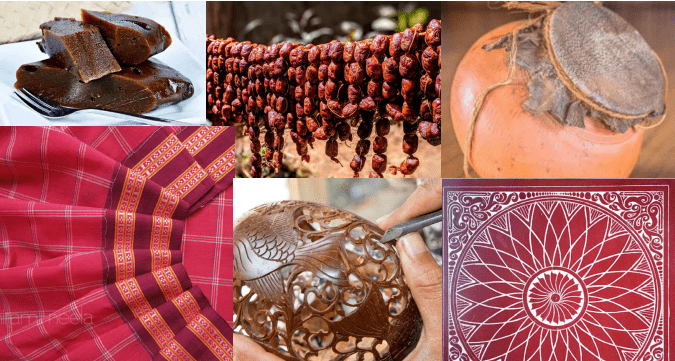
As six Goan products move closer to receiving the GI tag, we look at how these tags shield the true flavours and crafts of the state, while bringing real economic benefits to local artisans and farmers
A Geographical Indication (GI) tag is an official intellectual property signifier applied to products originating from a specific geographical location. To qualify for this prestigious status, a product must possess unique qualities, characteristics, or a reputation that are fundamentally tied to its place of origin. Governed globally by the World Trade Organization’s (WTO) TRIPS Agreement and administered in India under the Geographical Indications of Goods (Registration and Protection) Act, 1999, a GI tag functions as a legal certificate of authenticity.
Unlike standard trademarks that grant exclusive proprietary rights to a single company, a GI tag serves as a collective intellectual property right for an entire ecosystem of regional artisans, farmers, and producers. It legally protects traditional knowledge against misappropriation, unauthorized commercial exploitation, and cheap generic counterfeits, ensuring that the legacy of a region remains preserved for its rightful creators.
Six Goan Legacies moving closer to GI Status
Goa’s cultural and culinary landscape has achieved a significant milestone, as six iconic indigenous products have successfully cleared the stringent examination stage at the Geographical Indications Registry in Chennai. This major legal breakthrough marks the final hurdle before formal conferment. The state government is currently preparing its formal responses during the mandatory public notice period; a statutory procedure allowing for public evaluation before the final tags are officially granted.
The six vanguard products approaching formal induction include:
Kunbi Sari and Fabric: A historical textile woven by the indigenous Kunbi community, featuring bold checkered patterns in rustic red and earthy tones.
Kaavi Art: A rare form of traditional mural art using a natural red pigment derived from laterite soil (Kaav) etched onto wet white lime plaster.
Goan Chorizo: A spicy, intensely smoky pork sausage marinated in local toddy vinegar, and a fierce blend of indigenous spices.
Ghumot: An ancient, earth-toned percussion instrument deeply rooted in Goa’s folk music, featuring a crafted clay pot.
Dodol: A luxurious, gelatinous Goan sweet crafted from local palm jaggery, thick coconut milk, and rice flour.
Coconut Carvings: The delicate transformation of discarded, hard coconut shells into intricate works of art and functional utensils.
Furthermore, five additional indigenous marvels including the beloved Goan Pao (the iconic local fermented bread), a variety of delicate local sweets, and intricate traditional metal crafts, have officially entered the primary stages of the GI application registry.
The Strategic and Economic Advantages of GI Legal Protection
Securing a Geographical Indication tag is an economic powerhouse and a framework for cultural preservation. The advantages can be structured into three core pillars:
Legal Defense and Intellectual Asset Safeguarding: A GI tag delivers robust legal weaponry to combat market dilution. It prevents commercial entities outside the designated region from exploiting the product’s name, protecting consumers from lookalikes.
Economic Empowerment and Rural Revitalization: By establishing an exclusive, premium brand identity, GI tags directly boost the market value of traditional goods. This premium pricing filters directly down to the grassroots level, rewarding local farmers, weavers, and craftsmen.
Strategic Tourism and Global Brand Positioning: GI tags serve as powerful catalysts for cultural and culinary tourism. Travelers are increasingly drawn to authentic regional experiences, pivoting Goa from a beach-centric destination into an elite hub for heritage connoisseurs.
Goa’s established GI Portfolio
The six upcoming additions will join an elite, extensive pantheon of products that have already secured GI status, establishing Goa’s rich reputation for premium agricultural, handicraft, and culinary goods:
– Cashew Feni and Goa Cashew Apple: The iconic, potent spirit distilled from the juice of the cashew apple, alongside the distinct fruit itself.
– Goa Cashew Nut: Highly prized for its large size, distinct sweetness, and superior roasting quality.
– Mankurad Mango, Mussarad Mango, and Maang–Hilario Mango: Iconic local mango varieties celebrated for their rich, unblemished pulp and historic lineages.
– Bebinca: The undisputed queen of Goan desserts; a multi-layered cake rich in egg yolks, coconut milk, and ghee.
– Harmal Chilli and Khola Chilli: Famous local chillies revered for their rich red colour, high mineral content, and unique heat levels.
– Moira Bananas: A large, nutrient-dense local banana variety known for its exceptional flavour when cooked or baked.
– Agassaim Brinjal and Taleigao Brinjal: Highly localized eggplant varieties celebrated for their unique textures and central roles in traditional Goan cuisine.
– Local Ladyfinger (Saat Shiro Bheno): A traditional seven-ridged okra variety favoured for its tenderness and taste.
– Goan Khaje: The beloved, finger-shaped sweet fried chickpea flour treat coated with jaggery, ginger, and sesame seeds.
– Khorgut Rice: A traditional, salt-tolerant red rice variety grown in the unique khazan lands of Goa.
A Sustainable Future rooted in Tradition
The steady march of Goa’s traditional products toward absolute Geographical Indication safety marks a crucial evolution in the state’s approach to its cultural capital. By pairing ancient craftsmanship and agricultural wisdom with modern intellectual property frameworks, Goa secures both its past and its future. These initiatives ensure that the state’s defining cultural assets are insulated against generic globalization. As these products establish their rightful space on the global stage, Goa demonstrates that true progress does not require sacrificing heritage; rather, it thrives by empowering it.